

The research focuses on global virtual teams—groups of individuals working on interdependent tasks, sharing responsibility for outcomes, and communicating primarily through technology. These teams, increasingly common in organizations, present unique challenges and tensions that the study seeks to understand.
The analysis involved 751 participants across 223 teams, representing students from more than 140 universities and nearly 80 nationalities, with at least four different nationalities per team.
One of the study’s key findings is a paradox often overlooked: when individuals strongly identify with their team, collective performance improves, but this can negatively affect individual performance—especially when team goals are misaligned with personal objectives.
The research suggests that organizations should design incentives and evaluation systems that recognize both collective and individual achievements, enabling members to contribute to team success without compromising personal development.
The study also highlights the importance of cultural intelligence, defined as the ability to adapt and perform effectively in multicultural environments. This skill can be developed through training and organizational support, offering companies a valuable opportunity to strengthen collaboration in global and diverse contexts.
By providing practical recommendations for leaders of virtual teams, the research demonstrates how cultural intelligence influences identification, motivation, and performance, and advocates for investing in programs that enhance this capability to boost team success.
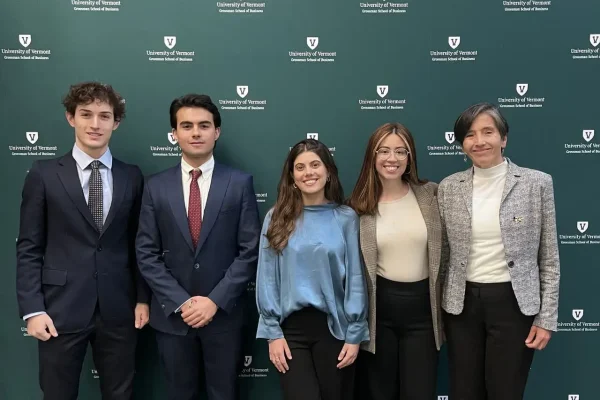
This award reinforces Professor Hincapié’s international projection and her contribution to understanding collaboration in virtual and multicultural work environments.